5 Common Dental Problems And How To Avoid Them
5 common dental issues & easy prevention tips. Keep your smile healthy
 Alex Jones
Strong teeth support your health, confidence, and daily comfort. Yet many people ignore small dental problems until they turn into pain or high costs. This blog walks you through 5 Common Dental Problems And How To Avoid Them so you can protect your mouth and your budget. You will see how simple habits stop cavities, gum infection, worn teeth, bad breath, and tooth loss before they start. You will also learn when to call your dentist and what to ask during visits. Each section gives clear steps you can use today. For more support, you can find extra guides and contact details at suncreekdental.com. You deserve a calm mouth, steady sleep, and a strong bite. You can prevent most dental problems with steady daily care and smart choices.
1. Cavities
Cavities are small holes in teeth. They form when germs in your mouth use sugar to make acid. The acid wears away your tooth.
You raise your risk for cavities when you
-
Snack on candy, soda, juice, or sweet coffee drinks
-
Fall asleep without brushing
-
Skip dental checkups
You can prevent many cavities with three simple steps.
-
Brush twice a day with fluoride toothpaste. Brush for two minutes each time.
-
Floss once a day. Clean between every tooth.
-
Limit sugary drinks. Choose water or milk most of the time.
The Centers for Disease Control and Prevention explains how fluoride protects teeth at https://www.cdc.gov/fluoridation/index.html.
2. Gum disease
Gum disease starts when sticky plaque builds along the gumline. Your gums swell, bleed, and pull back from your teeth. Teeth can loosen and fall out.
Early gum disease often feels quiet. You may not feel pain. You might notice
-
Bleeding when you brush or floss
-
Red or puffy gums
-
Bad breath that does not go away
You lower your risk when you
-
Brush the gumline. Aim the bristles toward the gums.
-
Floss every tooth. Slide the floss under the gum edge.
-
Do not smoke or vape. Tobacco harms gum blood flow.
The National Institute of Dental and Craniofacial Research gives clear gum disease facts at https://www.nidcr.nih.gov/health-info/gum-disease/more-info.
3. Tooth wear and grinding
Tooth wear happens when you grind, clench, or scrub your teeth. Hard brushing, stress, and some sports add more wear.
Grinding often happens during sleep. You might notice
-
Flat or chipped teeth
-
Jaw tightness in the morning
-
Headaches after you wake
You can protect your teeth if you
-
Use a soft toothbrush and light pressure
-
Wear a mouthguard for sports
-
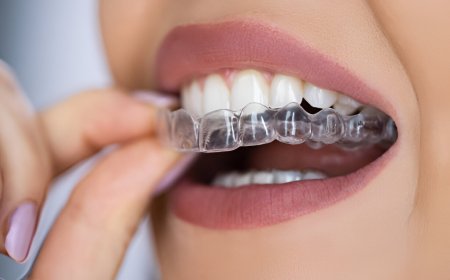
Ask your dentist about a night guard if you grind
Simple stress control also helps. You can try slow breathing, light stretching, or a short walk before bed.
4. Bad breath
Bad breath can hurt your confidence and your relationships. It often comes from germs on the tongue, gum disease, dry mouth, or certain foods.
You can improve your breath when you
-
Brush your tongue every time you brush your teeth
-
Drink water often during the day
-
Cut back on tobacco, alcohol, and strong smelling foods
If bad breath stays even after good care, contact your dentist. It can signal gum infection, tooth decay, or a medical problem.
5. Tooth loss
Tooth loss often starts with untreated cavities or gum disease. Injury, grinding, and weak enamel also play a part.
Once a tooth is gone, nearby teeth can shift. Your bite can change. Eating and speaking can feel hard.
You protect your teeth when you
-
Keep regular checkups and cleanings
-
Use a mouthguard for contact sports
-
Replace missing teeth as your dentist advises
Strong daily habits and steady care help you keep your natural teeth as long as possible.
Daily habits that protect every tooth
A few simple habits lower the risk for all five problems.
-
Brush every morning and every night.
-
Floss once a day.
-
Use fluoride toothpaste.
-
Drink water instead of sugary drinks.
-
See your dentist at least once a year. Twice is better for many people.
Quick comparison of common dental problems
|
Problem |
Early sign |
Main cause |
Key prevention step
|
|---|---|---|---|
|
Cavities |
White or dark spots on teeth |
Sugar and acid from germs |
Brush with fluoride twice a day |
|
Gum disease |
Bleeding gums |
Plaque at the gumline |
Floss and brush the gumline |
|
Tooth wear and grinding |
Flat or chipped edges |
Clenching and hard brushing |
Use soft brushing and mouthguards |
|
Bad breath |
Strong odor after brushing |
Germs on tongue and gums |
Clean tongue and treat gum problems |
|
Tooth loss |
Loose teeth |
Severe decay and gum disease |
Regular checkups and early treatment |
When to call your dentist
Do not wait for severe pain. Call your dentist if you notice
-
Bleeding gums for more than one week
-
Tooth pain that lasts more than one day
-
Chips, cracks, or loose teeth
-
Bad breath that does not improve
Early care costs less, hurts less, and saves more teeth. Your choices today protect your mouth for years.