Who’s At Fault? Understanding Liability In Car Accidents
Who’s at fault after a crash? Learn how liability is determined in car accidents. Essential legal insights.
 Alex Jones
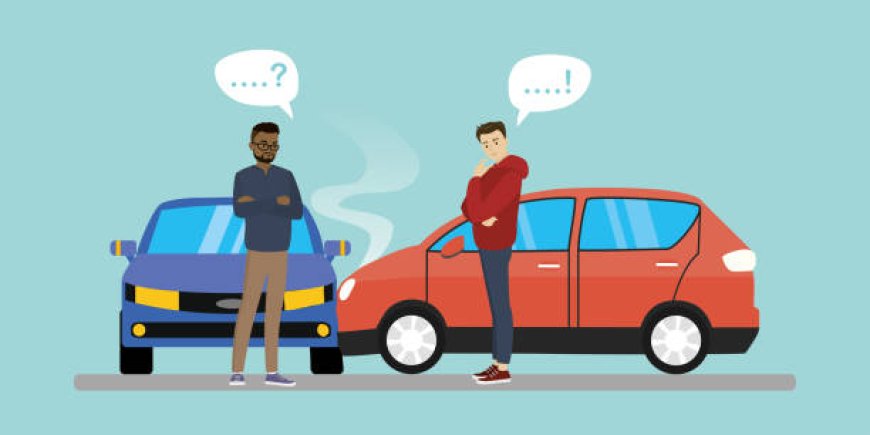
Car crashes leave more than broken glass. They leave questions. The hardest one is simple. Who is at fault? That answer controls who pays medical bills, repair costs, and lost wages. It shapes insurance claims and court cases. You may feel scared, angry, or numb. You may also feel rushed by calls from adjusters. Every choice you make now has weight. This guide explains how fault works in plain language. It covers common crash types, how police reports matter, and what insurance companies really look at. It also shows when you need legal help and how a Columbia car accident attorney can protect your rights. You deserve clear answers. You also deserve fair treatment. When you understand liability, you can stand your ground, push back against blame, and protect your future.
What “Fault” Really Means
The fault is about responsibility for the crash. It is not about who is hurt more. It is about who caused the events that led to the impact.
In most states, fault decides three things.
-
Who must pay for injuries and damage
-
How much the insurance company offers
-
Whether you can sue the other driver
You may share fault. The other driver may share fault. The law calls this shared fault. Your share of blame can cut your payment. In some states, even a small share can block any payment.
Common Crash Types and How Fault Is Seen
Each crash type gives clues about the fault. Police, insurers, and courts look for clear patterns.
|
Crash Type |
Typical At-Fault Driver |
Key Questions Asked
|
|---|---|---|
|
Rear-end collision |
Driver in the back |
Was the driver following too close or speeding |
|
Left-turn crash |
Driver making the turn |
Did the turning driver yield and judge speed correctly |
|
Side-impact at an intersection |
Driver who ran a light or stop sign |
Who had the right of way and followed signals |
|
Backing-up crash |
Driver backing up |
Did the driver check mirrors and surroundings |
|
Head-on collision |
Driver who crossed the center line |
Was there distraction, fatigue, or unsafe passing |
These patterns are common. They are not automatic. Weather, road work, and sudden medical events can change the answer.
How Police Reports Shape Fault
The police report is often the first written record of what happened. It can guide the claim from day one.
Officers usually record three core facts.
-
Where each car was and how the crash happened
-
Traffic laws that may have been broken
-
Names and contact details for drivers and witnesses
The report might list one driver as “contributing” or “primary” for the crash. Insurers pay close attention to this word choice. You can ask for a copy through your local police or highway patrol website. For many states, you can find state contacts through the U.S. Department of Transportation.
The report is important. It is not the final truth. If facts are wrong, you can request a change or add a written statement.
What Insurance Companies Look At
Insurance adjusters study fault because it affects their costs. They follow state law and company rules. They also guard their bottom line.
Adjusters often focus on three pieces of proof.
-
Police reports and traffic tickets
-
Photos, videos, and vehicle damage
-
Witness statements and your own words
Your words matter. Short, clear answers help. You can report the crash to your insurer. You can also wait to give a detailed recorded statement until you feel ready and informed.
Different State Rules on Fault
States handle fault in different ways. This can surprise many drivers who cross state lines daily.
|
Fault System |
How It Works |
Effect On Your Claim
|
|---|---|---|
|
At-fault (tort) |
The driver who caused the crash pays |
You seek payment from the at-fault driver’s insurer |
|
No-fault |
Each driver’s insurer pays their own injuries up to a limit |
Your right to sue is limited unless injuries are severe |
|
Comparative fault |
Each driver gets a share of blame |
Your payment is cut by your share of fault |
|
Contributory fault |
Any fault by you can block payment |
Even one small mistake can end your claim |
You can check your state’s rules through your state court or insurance department. Many links start at USA.gov state consumer offices.
Evidence You Can Gather Right Away
After you move to safety and get medical care, evidence comes next. Simple steps protect you.
-
Take photos of all vehicles, the road, skid marks, and signs
-
Get names and contact details for witnesses
-
Write your own memory of the crash the same day
Keep medical records, repair estimates, and any time off work. These records show the impact of the crash on your life.
When To Seek Legal Help
Fault fights grow tense fast. You may need legal support if any of these apply.
-
The crash caused serious injury or a long recovery
-
Someone disputes the police report or blames you
-
The insurer pressures you to accept a quick, low offer
A lawyer can explain how state fault rules apply to your crash. The lawyer can also handle talks with insurers and help you avoid mistakes that hurt your claim.
Protecting Your Family After A Crash
A crash shakes your sense of safety. You can still protect your family with clear steps.
-
Get prompt medical checks for everyone, even if pain seems small
-
Tell children the crash was not their fault and answer questions in simple terms
-
Watch for sleep trouble, fear of riding, or mood changes and ask your doctor for help
You cannot control every driver on the road. You can control how you respond after a crash. When you understand how fault works, you claim your voice. You guard your rights, your health, and your future.