Why Holiday Travel Increases Crash Rates
Discover why holiday travel leads to more crashes—more cars, drunk driving, fatigue, and distractions on unfamiliar roads. Stay safe this season.
 Alex Jones

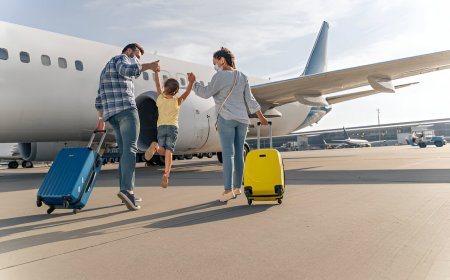
Holiday travel has a particular energy to it most years. Airports get packed. Highways fill up before the sun comes up. People who don't usually drive long distances suddenly wind up behind the wheel for many hours. It should feel festive and even exciting. However, there's a downside that shows up in the yearly data; crash rates keep climbing.
Crash rates don't climb a little. They climb quite noticeably.
The spike in crash rates during holiday travel isn't driven by a single factor. It's a combination of stress, timing, simple human error, and behavior. Everything stacks up at once. When multiple small risks overlap this much, they stop being small.
More Drivers, More Pressure, More Mistakes
During holiday travel, the number of cars on the road increases substantially. That much is obvious. What stands out is how fast the congestion alters driver behavior.
People are busy and impatient. The gaps between vehicles shrink. Lane changes are increasingly aggressive.
Complicating matters further is that not everyone on the highways is an experienced driver. Occasional drivers aren't used to highway speeds. Many families are navigating unfamiliar routes. Drivers with rental cars are still adjusting to the controls, and out-of-town visitors are heavily dependent on GPS. The overall mix of all this matters.
When you make the same commute every day, you develop a rhythm and awareness. Many holiday drivers don't have that. They miss turns, hesitate at exits, or suddenly brake when their directions update. These small moments ripple outward, forming chain reactions.
Time pressure exacerbates the situation. Everyone wants to make good time, especially when they're trying to beat traffic or are already late for a gathering. That sense of urgency can show up in subtle ways. Speed creeps up, following distance shrinks, and decisions are rushed.
One second too early can be just as dangerous as one second too late. That's all it takes for a crash to happen.
Fatigue and Distraction Play a Bigger Role Than You Think
Long drives are a holiday tradition, even if they're not one of the seasonal rituals you cherish. Driving can still be a cheaper way to reach many destinations than flying, especially if you're visiting friends or family who aren't near a major airport or you're not close to one yourself.
A long drive connects you to those you love and want to spend the holidays with. Yet, it does require pushing through exhaustion to arrive there in the first place. Then, you do it again to get home.
Drivers frequently underestimate how exhausting extended travel can be, particularly when it's layered on top of early departures, late-night packing, and a full workweek. Fatigue isn't always dramatic in its appearance or arrival. It sneaks in as drifting attention, missing cues, and slower reaction times.
Fatigue doesn't start with falling asleep. It's when you stop noticing things fast enough.
Distractions complicate this. Holiday travel usually involves more distractions than fewer. Your GPS is constantly updating routes. There are food and beverages in your car for long stretches. Passengers are talking, arguing, or demanding attention. Multiple phones might be chiming with notifications, some of which are alerts about plans, changes, and arrivals.
Adjusting your music or checking a text at a stoplight can seem simple enough, but it can also drag on for a few seconds too long. If you're at highway speeds, a few seconds is quite a bit of distance.
People don't talk about the mental load enough. They think about where they're headed and who they're seeing; they'll also worry about what they forgot to pack and if they'll get there on time. This background stress pulls attention away from driving, even when the driver doesn't quite realize it. It adds up, quickly and quietly.
Weather and Alcohol Create a Risky Combination
Holiday travel can line up with winter weather, adding a new layer of unpredictability to the situation. Ice, snow, and rain make roads slick, but they also change how vehicles respond.
Braking distance goes down. Steering isn't as precise. Visibility diminishes.
Now, consider that drivers who don't have a lot of experience in these conditions might be on the roads, particularly visiting from other regions with different kinds of weather. In some cases, the result is hesitation; in others, it's overconfidence. Neither scenario is ideal.
Then, alcohol enters the picture. Holiday gatherings often include drinking. Many people plan ahead, but not everyone. Some drivers think they're "fine" driving after one or two drinks. Many misjudge how alcohol influences them, particularly when combined with being fatigued.
Impairment won't always feel obvious. That's the dangerous part, and it can happen in many ways. Judgment is fuzzy. Reaction times slow down. Risk-taking goes up. Even the slightest delay in braking or a bad decision at an intersection can result in serious consequences. The margin for error in unpredictable weather, heavy traffic, or with impaired driving narrows. Combine two or more of those, and the margin for error disappears entirely. It's a rough combination of factors.
What This Means for Drivers and Passengers
Leave earlier than you think you have to, and make plans if alcohol is going to be involved. Adjust your driving speed for weather as much as traffic, and keep distractions to a minimum, particularly with phones. Make sure every driver takes breaks during long drives, even if they're short.
None of these adjustments is complicated. However, they do require intention.
If anything goes wrong, the consequences can be overwhelming. Insurance claims, medical bills, and missed work are a lot to process. In more serious circumstances, you might need a skilled car accident lawyer like the attorneys at Prince Law Firm to help you sift through the legal and financial aspects while you focus on your recovery. Nobody plans for that part.
If there's one thing that's clear, it's that holiday crashes aren't random. They follow certain patterns. More vehicles, more fatigue, and more stress mean more variables interacting together at once.
Recognize these patterns if you want an edge. It might be enough to avoid joining the statistics.