Smart Ways Homeowners Can Prevent Common Plumbing Mishaps
Homeowners: Fix leaks quickly, avoid chemical drain cleaners, know your main water shut-off, and don’t over-tighten fittings.
 Alex Jones
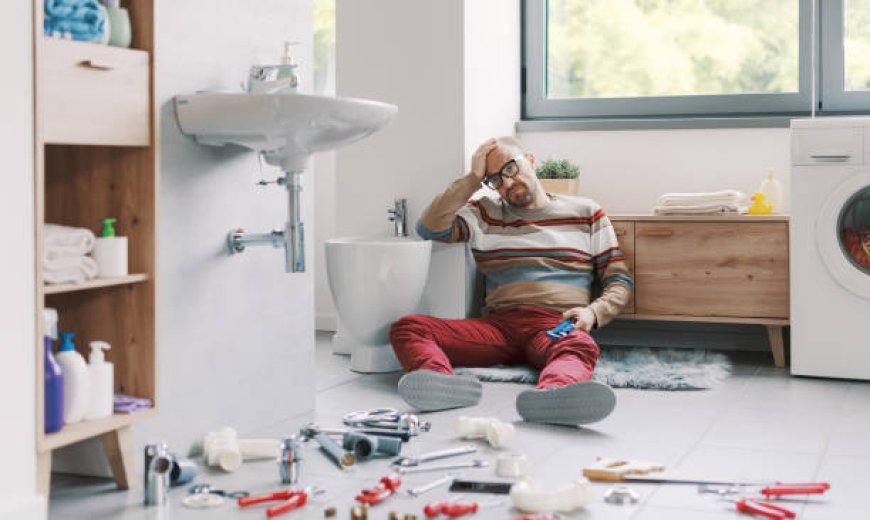
Plumbing issues can be a homeowner's nightmare, often resulting in both financial strain and significant inconvenience. Leaks, clogs, and other plumbing mishaps not only cost money in repairs but can also lead to water damage, mold growth, and disruption to daily routines. A trusted Tulsa plumber can help homeowners address these problems early. Still, fortunately, the vast majority of plumbing issues can be prevented with a bit of forward-thinking care and regular upkeep. Being proactive and adopting good plumbing habits ensures your home remains comfortable, safe, and free from unwanted surprises. Here are some smart strategies that every homeowner can adopt to keep their home's plumbing system in excellent condition and avoid common pitfalls.
Regularly Inspect and Maintain Faucets and Fixtures
Even minor leaks can escalate into major issues if left unaddressed, as constant dripping can wear out plumbing fixtures and raise water bills. Regularly check faucets, showerheads, and toilets for visible drips, unexplained puddles, or mold growth around the base. If you notice any leaks, tighten fittings or replace worn-out washers or seals as soon as possible. Toilets can also develop silent leaks; adding a few drops of food coloring to the tank can help determine if water is seeping into the bowl without flushing. Early detection not only conserves water but also prevents structural damage to cabinets, subfloors, and even the foundation. Consistent inspections can help homeowners avoid unexpected plumbing emergencies, reducing both repair costs and long-term water consumption.
Avoid Chemical Drain Cleaners
While chemical drain cleaners might seem like a convenient solution for slow drains, they can actually cause significant damage to your plumbing system over time. These harsh products can corrode metal and plastic pipes, weakening them and increasing their susceptibility to leaks and bursts. Instead, use safer mechanical tools such as plungers, drain snakes, or augers to dislodge obstructions. For minor clogs in sinks or bathtubs, pouring boiling water (for metal pipes only), a mix of baking soda and vinegar, or using a hand-powered snake can be effective and harmless alternatives. If clogs persist or recur frequently, it's advisable to consult a professional plumber who has the expertise and equipment to resolve the issue safely and effectively. Relying on chemical solutions repeatedly can ultimately cause more harm than good, leading to more expensive repairs down the line.
Prevent Clogs with Proper Disposal Habits
What you put down your drains has a major impact on the health of your plumbing system. Avoid flushing anything other than toilet paper, as items like wipes, feminine hygiene products, and paper towels don’t break down and can quickly cause blockages. In the kitchen, refrain from pouring fats, grease, coffee grounds, or fibrous food scraps down the drain, as these substances can solidify or clump in the pipes. Over time, this build-up can lead to stubborn clogs that require professional intervention. Scrape food waste into the trash or compost bin before washing dishes, and use a trash can for all non-biodegradable bathroom waste. By practicing mindful disposal habits, you can dramatically reduce the frequency of plumbing clogs and keep water flowing freely through your pipes.
Insulate Your Pipes Before Freezing Temperatures Hit
Frozen pipes are a leading cause of winter plumbing emergencies, often resulting in burst pipes and extensive water damage. To guard against freezing, wrap any exposed piping, especially in crawl spaces, attics, basements, garages, and outdoor areas, with foam insulation or specialized pipe sleeves. These inexpensive materials are available at any hardware store and easy to install. On nights when the temperature drops significantly, open under-sink cabinet doors in kitchens and bathrooms to let warm air reach the pipes, and let a small trickle of water flow from faucets to prevent freezing. Additionally, disconnect and drain garden hoses and shut off outdoor valves before winter arrives. Taking these preventive steps helps ensure your pipes remain safe during cold snaps and protects your property from sudden, costly ruptures caused by ice expansion. Insulating pipes is one of the most effective, proactive measures homeowners can take to avoid expensive winter repairs.
Install Drain Screens
Clogs often build up gradually from hair, soap residue, food particles, and other household debris that enter your drains every day. Installing drain screens or strainers is a simple and budget-friendly solution that can significantly reduce the risk of a major blockage. Place screens over shower and bathtub drains where hair and soap scum are common culprits, as well as in kitchen sinks to catch food remnants before they accumulate in the pipes. These screens are easy to remove and clean, just empty the collected debris into the trash regularly. By keeping solid materials out of your drains, you promote smoother water flow and prevent the headaches that come with sudden, stubborn clogs. Engaging this low-cost strategy is an excellent way to maintain free-flowing drains and avoid emergency plumbing calls.
Invest in a Sump Pump
If your home is in an area prone to heavy rain or high groundwater, or if you have a basement, a sump pump is an essential line of defense. This device works by automatically pumping water out of the basement or crawlspace and directing it safely away from your home’s foundation. By doing so, a sump pump helps prevent flooding during storms, plumbing failures, or snowmelt. To ensure reliability, test your pump regularly by pouring water into the sump pit and verifying it activates and drains the water properly. Consider installing a battery backup system so your sump pump remains operational during power outages, which are common during severe weather. While installing a sump pump may seem like a significant upfront investment, it is far less expensive than repairing flood damage, replacing ruined flooring, or dealing with mold remediation later.
Schedule Routine Plumbing Maintenance
Many major plumbing emergencies begin as minor issues that go unnoticed due to a lack of regular maintenance. Scheduling yearly check-ups with a reputable, licensed plumber helps ensure your plumbing system operates efficiently. During routine maintenance visits, professionals can identify early signs of trouble, such as corroded pipes, slow leaks, mineral buildup, or aging fixtures that may be on the verge of failure. With advanced tools like pipe cameras and leak detection devices, plumbers can assess hard-to-reach or hidden areas for blockages, leaks, or other problems you might miss. This preventive approach allows homeowners to address minor issues before they escalate into costly or disruptive emergencies, extending the lifespan and reliability of their plumbing system. Routine service not only prevents costly repairs but also provides invaluable peace of mind.
Know Your Main Water Shut-Off Valve
Time is of the essence during a plumbing emergency, and knowing how to shut off your main water supply quickly can be the difference between a minor inconvenience and a major disaster. Locate the main shut-off valve as soon as you move in; it’s usually in the basement, crawl space, or near where the water line enters your home. Make sure the valve is clearly labeled and that all household members know how to operate it. Practice turning it off and back on so you’re prepared if a pipe bursts or another urgent situation arises. Test the valve once or twice a year to ensure it isn’t stuck or corroded, as a malfunctioning valve can hinder your ability to prevent water damage. Being familiar with this essential component not only protects your home but also empowers you to act swiftly in critical moments.