The Lifestyle Shift Toward Private Workspaces That Protect Focus and Balance
Private workspaces offer focus and work-life balance. Discover how to shift towards a lifestyle that prioritizes your productivity and well-being.
 Alex Jones
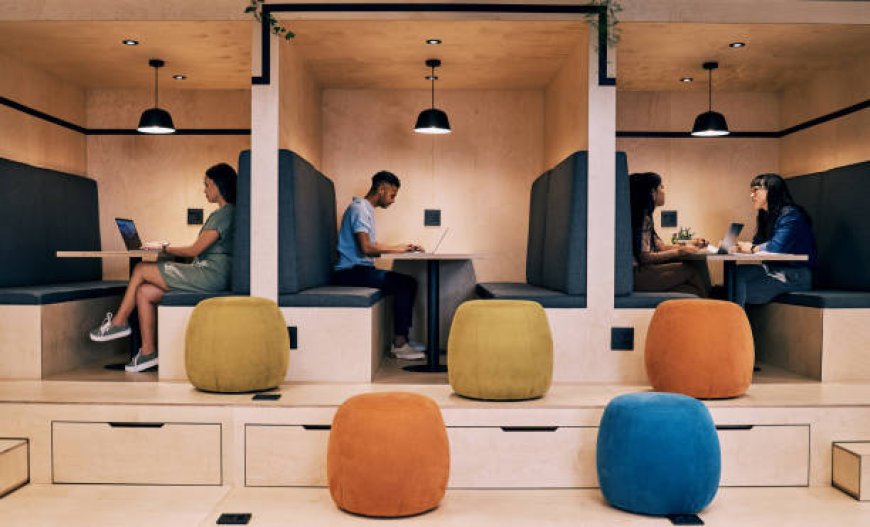
Work has become deeply intertwined with lifestyle. As professional and personal boundaries blur, many people are rethinking where and how work happens. Open environments once symbolized collaboration and energy, yet a growing number of professionals are now seeking privacy, structure, and calm. This shift reflects a broader lifestyle change that prioritizes focus, balance, and long-term well-being.
Focus Has Become a Lifestyle Priority
Constant connectivity has increased distraction. Notifications, conversations, and visual noise fragment attention throughout the day. Over time, this fragmentation affects productivity and mental clarity. Focus is no longer viewed only as a work skill. It is a lifestyle asset.
Private workspaces support deep concentration by reducing interruptions. When attention is protected, tasks take less time and require less effort. This efficiency creates space for rest, creativity, and personal life beyond work hours.
Privacy Supports Mental Well-being
Privacy plays an important role in emotional balance. Having a dedicated space where thoughts and conversations remain contained reduces background stress. This sense of control helps professionals feel grounded and secure during the workday.
Private environments also support more authentic communication. Calls and meetings feel less performative and more focused when privacy is assured. This reduces social fatigue and supports clearer decision-making.
Workspaces Reflect Personal Values
Choosing a private workspace is often a reflection of personal priorities. Many professionals now value calm, intention, and autonomy over constant stimulation. A workspace becomes an extension of lifestyle rather than a temporary setup.
This choice aligns with broader trends toward mindful living. Just as people curate living spaces for comfort and clarity, work environments are being chosen with the same care.
Balance Is Easier With Defined Boundaries
One of the challenges of flexible work is the erosion of boundaries. When work happens everywhere, it can feel like it never ends. Private offices help re-establish these boundaries by creating a clear beginning and end to the workday.
Having a defined space for professional activity allows the mind to transition more easily between roles. Work stays contained, making it easier to disengage and recharge afterward.
Professional Identity Benefits From Stability
Private workspaces also support professional identity. A consistent environment reinforces routine and accountability. This stability helps maintain momentum, especially for leaders, entrepreneurs, and professionals managing complex responsibilities.
In business-focused districts, options such as a private ADGM officereflect how privacy, professionalism, and flexibility are being combined to support modern work lifestyles. These environments allow focus without isolation and structure without rigidity.
Productivity Improves Through Calm
Calm environments support better thinking. Reducing noise and visual clutter allows the brain to process information more efficiently. Over time, this leads to improved output and reduced cognitive fatigue.
Productivity achieved through calm feels sustainable. It supports long-term performance rather than short bursts followed by burnout.
Lifestyle Design Includes Where Work Happens
Modern lifestyle design includes intentional choices about work environments. Where work happens influences how the day feels, how energy is managed, and how easily balance is maintained.
Private workspaces are becoming part of this design. They support focus, protect well-being, and align professional life with personal values.
A Quiet Shift With Lasting Impact
The move toward private workspaces is not about withdrawing from collaboration. It is about choosing environments that support clarity and balance. This quiet shift reflects changing expectations around work and life integration.
As more people seek environments that respect focus and wellbeing, private workspaces will continue to play a central role in shaping modern professional lifestyles.