
The Impact of Trauma-Informed Care on Addiction Healing
Healing addiction requires understanding the pain behind it. Trauma-informed care treats the root, not just the symptom, offering a true path to recovery.
 Alex Jones
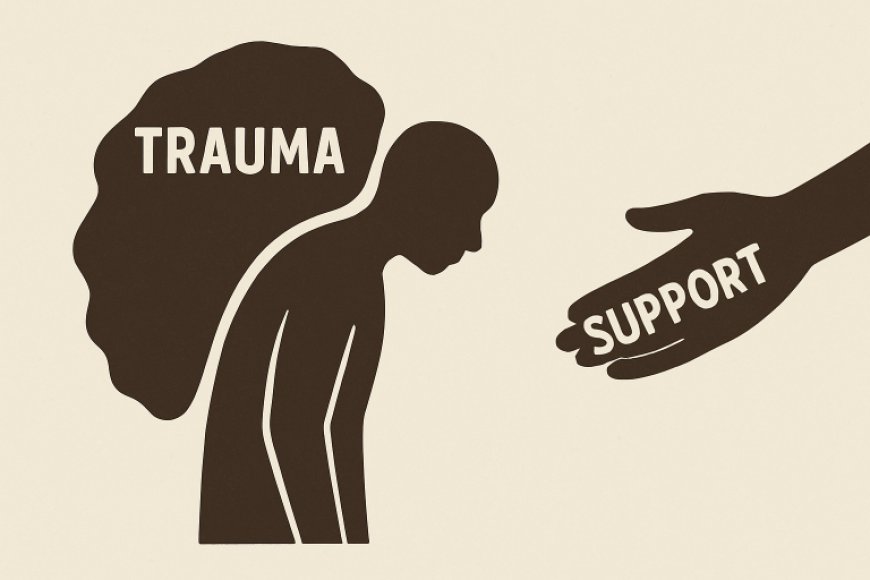
Understanding Trauma-Informed Care
Many treatment providers are recognizing the importance of addressing not only the symptoms of addiction but also its root causes. Trauma-Informed Care (TIC) is a compassionate, comprehensive approach that acknowledges the profound and lasting impact trauma can have on an individual's life and the role it plays in addiction. At its core, TIC integrates an understanding of trauma into all aspects of treatment, thereby prioritizing the emotional and psychological safety of individuals seeking help for addiction, including those exploring rehab in Nashville options.
Key elements of Trauma-Informed Care include a commitment to safety, trust, and empowerment. Rather than focusing solely on modifying substance use behavior, providers ensure that every step of treatment is grounded in empathy and patient collaboration. This change in perspective can be life-changing for those whose struggles with addiction are deeply intertwined with experiences of trauma.
Standard addiction treatment may overlook the nuanced needs of individuals who have been impacted by trauma. In contrast, trauma-informed providers strive to avoid re-traumatization and promote holistic healing. By adopting these principles, practitioners create a space where individuals feel accepted, validated, and empowered to participate in their own recovery process.
The Connection Between Trauma and Addiction
Research consistently shows a strong link between trauma and addiction. Many individuals who develop substance use disorders have experienced traumatic events, such as physical abuse, emotional neglect, or sexual assault. These unresolved traumatic experiences can create ongoing feelings of fear, helplessness, and shame that make recovery more difficult. In many cases, drugs or alcohol are used as coping mechanisms to numb painful memories or alleviate emotional distress. This cycle can quickly become self-perpetuating, as substance use further impedes emotional healing and may even lead to additional trauma.
Key Principles of Trauma-Informed Care
-
Safety: Ensuring physical and emotional safety for clients at all times.
-
Trustworthiness and Transparency: Maintaining clear, honest communication between clients and staff. Trust is built when individuals know what to expect.
-
Peer Support: Utilizing shared experiences to promote healing and hope. When clients hear stories similar to their own, they are more likely to remain engaged in recovery.
-
Collaboration and Mutuality: Viewing clients as partners in the recovery journey, not just recipients of care.
-
Empowerment, Voice, and Choice: Encouraging clients to actively participate in decisions regarding their treatment and offering choices whenever possible.
-
Cultural, Historical, and Gender Issues: Recognizing and respecting each client’s background, identity, and lived experience to avoid bias and further trauma.
Benefits of Implementing Trauma-Informed Care
When addiction treatment centers implement TIC, they see notable improvements in client engagement, retention, and overall success rates. Clients who feel secure and supported are more likely to stay committed to their treatment program and participate fully in recovery activities. Trauma-informed environments foster holistic healing, enabling individuals to address both addiction and the underlying trauma that may have contributed to it. Over time, this approach can lead to increased self-efficacy, enhanced mental and physical well-being, and stronger interpersonal relationships.
Studies have also indicated that trauma-informed models can decrease program dropout rates and improve client satisfaction. By prioritizing dignity, respect, and autonomy, providers help clients reclaim their sense of control and identity in the recovery journey.
Challenges in Adopting Trauma-Informed Care
While implementing TIC offers substantial benefits, it is not without its challenges. One of the primary barriers is the need for extensive and ongoing staff training. All members of the care team, from administrative staff to clinicians, must understand trauma’s effects and know how to respond appropriately to client needs. Additionally, organizations must dedicate resources to continuous education, policy development, and support systems to maintain TIC practices. This investment can be substantial, but the potential to positively impact lives makes it an essential step for modern treatment facilities.
Final Thoughts
Trauma-Informed Care is a vital component of addiction recovery. By identifying and addressing trauma, providers can address the root causes of substance use and support genuine, long-lasting healing. Embracing TIC principles transforms the recovery process, paving the way for greater resilience, autonomy, and well-being for every individual on the path to recovery.