
Innovative Approaches to Philanthropy in the Modern World
Explore innovative approaches to modern philanthropy, including technology-driven giving, impact investing, and sustainable social change.
 Alex Jones
Introduction
Around the globe, philanthropy remains a driving force for societal transformation, addressing issues from poverty to education. Yet, the way people and organizations approach giving is evolving rapidly. Beneath these changes lies a desire not just to give more but to give more wisely. Visionaries such as Manoj Bhargava champion innovative charitable strategies that go beyond traditional models to drive meaningful, sustainable change. Modern philanthropists are now leveraging new tools and values, shifting the focus from direct aid to empowerment and transparency.
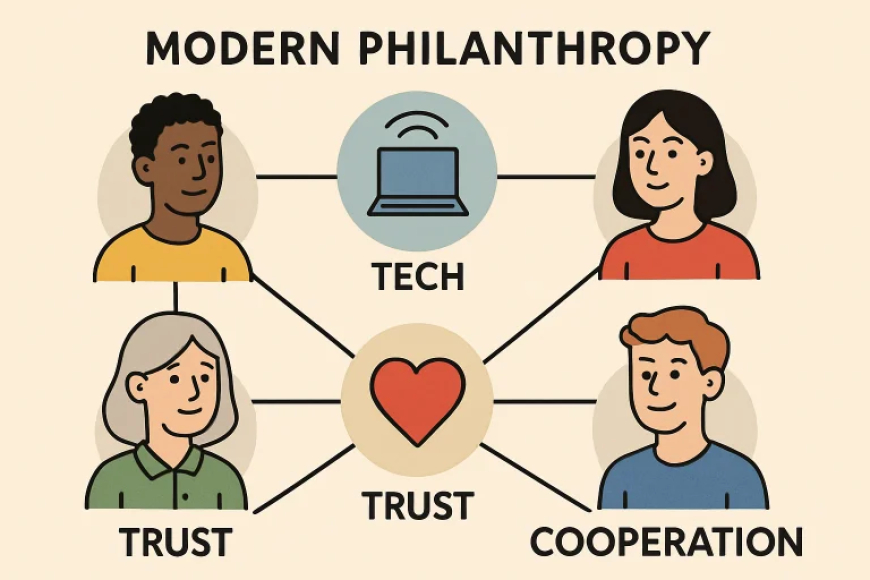
The shift is most evident in the adaptation of technology and inclusive models, which have helped make philanthropy more effective and accessible. Tech-driven solutions, collaborative approaches, and new perspectives on donor-recipient relationships are establishing a new norm. Instead of simply donating, organizations and individuals are seeking to foster stronger partnerships and create long-term impact through their contributions.
As times change, it is not just established organizations or well-known foundations that are shaping the future of philanthropy. Grassroots groups, youth leaders, and global collectives are also leaving their mark. They help redefine what it means to give, emphasizing a broader sense of community and shared responsibility. Both donors and beneficiaries are increasingly involved in decision-making, ensuring that giving is relevant and impactful.
In this evolving landscape, understanding the latest philanthropic models is critical for those who want to maximize the effectiveness of their charitable activities. Innovative methods are helping align charity with accountability and lasting social change, drawing inspiration from the business world while prioritizing human needs. Emerging technology and data are further enabling precise measurement of impact, fostering a new era of results-driven philanthropy.
Trust-Based Philanthropy: Building Stronger Partnerships
At the heart of trust-based philanthropy is the belief that collaborative relationships spur innovation and drive better outcomes than top-down models. Historically, donors have imposed strict requirements on how their contributions are used, often hampering grassroots organizations' flexibility. Trust-based philanthropy reimagines this exchange, emphasizing transparent relationships and giving recipients freedom to allocate resources where they are most needed. This flexibility fosters creativity and adaptability, allowing nonprofits to respond to unexpected challenges, encourage experimentation, and prioritize urgent community needs. Resources such as the Stanford Social Innovation Review provide additional insights on how these relationships can strengthen civic organizations and amplify positive change.
Philanthropy as a Service: Democratizing Giving
Digital technology has opened new doors for philanthropic participation. One notable innovation is the introduction of "philanthropy as a service" (PHaaS), which embeds giving mechanisms into widely-used platforms. This model combines donor-advised funds with cloud-based software, making it easy for individuals and corporations to set up, track, and manage their charitable contributions at any time. PHaaS helps lower barriers to entry, nurturing a culture of habitual giving. Individuals who previously found it hard to donate regularly can now integrate philanthropy into their routines, much as they do with banking or online shopping.
Corporations are also adopting PHaaS as part of their employee engagement strategies, allowing staff to recommend and support causes with company-matched donations. This accessibility is critical to democratizing philanthropy, ensuring that generosity is not limited to affluent donors but is accessible to people from varied backgrounds. As noted by Forbes, technology-driven solutions have created pathways for more people to participate in giving than ever before.
Blockchain Technology: Ensuring Transparency and Accountability
Trust is key to effective philanthropy, and transparency around how funds are used has often been a point of contention. Here, blockchain technology stands out as a transformative solution. Blockchain uses a secure and verifiable digital ledger, allowing donors to track every stage of a donation, from transfer to end use. This system is ideal for building stakeholder confidence, as smart contracts can automatically release funds when agreed-upon outcomes are met. The result is a tamper-proof record of transactions that helps root out inefficiencies and ensures funds go to intended beneficiaries.
In addition to preventing fraud, blockchain functions as a public accountability tool, making every transaction transparent and accessible for review. This new level of openness addresses longstanding skepticism about how charitable organizations manage and distribute their resources, making it a powerful instrument for restoring public trust and attracting new donors.
Collaborative Giving: Amplifying Impact Through Collective Efforts
Individual giving can be impactful, but when donors join forces, their collective resources can bring about exponential results. Collaborative models, such as giving circles, are gaining traction in communities seeking greater influence and effectiveness. These groups pool their funds and expertise, often engaging in democratic discussions to choose where and how to allocate resources. By sharing responsibility and combining knowledge, donors can tackle large-scale initiatives or invest in overlooked areas that might not attract significant funding from single contributors.
Collaborative giving also fosters a sense of community and shared ownership, building connections among participants with diverse perspectives. This process nurtures mutual learning and accountability, laying the foundation for sustainable change and ensuring continued engagement.
Youth Engagement: Empowering the Next Generation
The future of philanthropy depends on youth involvement. Programs such as GivingTuesdaySpark are dedicated to amplifying the leadership of young participants aged 8 to 22, encouraging them to lead projects and initiatives that matter to their communities. Youth-led philanthropy cultivates empathy, confidence, and a belief in the power of collective action. By providing training, platforms, and support, these initiatives empower young voices and ensure that future generations remain invested in social change.
Connecting young people with resources and networks also fosters intergenerational learning and leadership. As more youth become engaged, they bring creative ideas and new energy to the sector, helping redefine philanthropic priorities for the next era.
Data-Driven Strategies: Enhancing Effectiveness
In today’s data-centric world, philanthropic organizations are turning to analytics to measure and improve their effectiveness. Tools for data collection and analysis enable charities to evaluate the outcomes of their programs, assess where their efforts are making the most significant impact, and identify opportunities for refinement. By embracing a results-oriented mindset, philanthropic leaders ensure that every dollar is used strategically, maximizing benefits for beneficiaries.
Data-driven giving is essential for scaling successful interventions and ensuring accountability. As highlighted by The New York Times, organizations that leverage robust data are better positioned to demonstrate tangible progress to stakeholders and secure future funding.
Conclusion
The landscape of philanthropy is undergoing a remarkable transformation, driven by innovative models and technological advances. From trust-based relationships and PHaaS to blockchain-backed transparency, collaborative giving, youth engagement, and data-driven insights, each approach offers tools and strategies to maximize impact in today's complex world. By embracing these methods, donors and organizations can address ongoing global challenges with greater clarity, effectiveness, and creativity, helping usher in a new era of thoughtful and dynamic giving.