Niagara Falls with Seniors: An Honest Guide to an Accessible Day Trip
Discover Niagara Falls with seniors through accessible viewpoints, easy routes, mobility tips, and practical advice for a comfortable day trip.
 Alex Jones
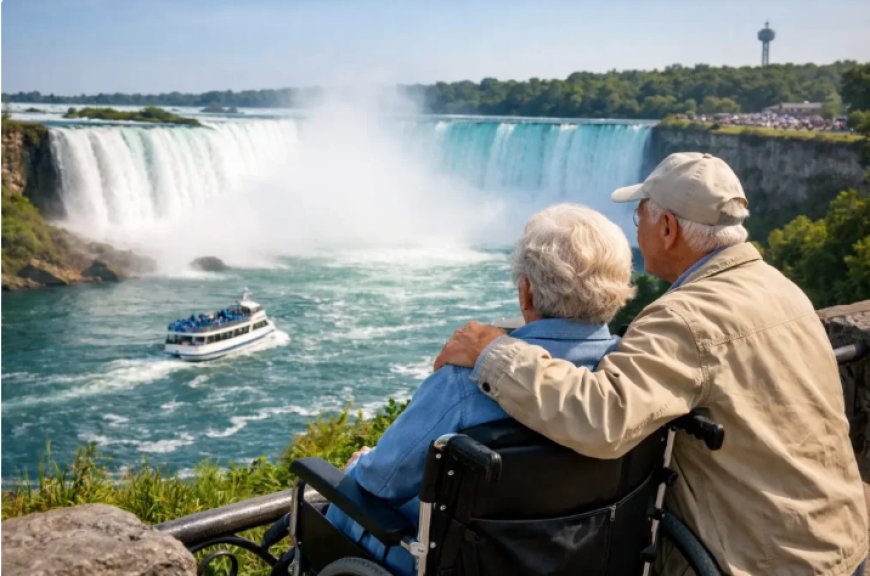
Niagara Falls is a genuinely rewarding destination for older visitors, and significantly more accessible than many first-time visitors expect. The main viewpoints, the core attractions, and the surrounding infrastructure have been develop with accessibility in mind, which makes the falls a realistic day trip option for seniors, including those travelling with mobility aids or managing health conditions that limit how much walking or standing they can comfortably do. This guide covers what actually works well, what requires more planning, and how to structure a day that suits an older visitor or a multi-generational family group.
Getting Around the Main Falls Area
Table Rock and the primary falls viewpoints are built on paved, level surfaces with ramps and accessible pathways throughout. This is genuinely one of the more accessible major natural attractions in North America, since the geography of the falls means the best views are available from a flat platform rather than requiring a hike, climb, or any significant physical exertion to reach.
The WEGO shuttle system, which runs along the falls corridor and connects the main attractions with Clifton Hill and the broader tourist area, includes accessible vehicles and removes the need for extended walking between different parts of the falls area. For seniors who tire more easily over a full day, using the shuttle rather than walking the All distance between attractions makes a meaningful difference to overall comfort.
Which Attractions Work Well
Journey Behind the Falls is one of the more accessible paid attractions at Niagara Falls. The descent to the tunnels is by elevator rather than stairs, and the tunnel pathways themselves are wide and level. The outdoor observation deck at the base of the falls does involve some uneven surfaces near the edges, but the main viewing areas are accessible without difficulty. Visitors with mobility considerations generally find this a more manageable experience than the boat cruise, where boarding and the motion of the vessel introduce additional physical demands.
The boat cruise remains a worthwhile experience for many seniors, though it is worth being realistic about what it involves. Boarding requires navigating a gangway, and the vessel itself moves with the water, which can be uncomfortable for visitors with balance concerns or certain health conditions. For seniors who are physically comfortable with this, the boat cruise offers an experience that no other attraction replicates. For those who would rather avoid the physical demands of boarding a moving vessel, Journey Behind the Falls and the ground-
level viewpoints deliver a comparably impressive experience of the falls' scale without the same physical requirements.
The Skylon Tower is fully accessible by elevator, and its revolving restaurant offers a comfortable, seated way to take in a panoramic view of the falls without any walking required once seated. This is one of the better options for seniors who want a substantial experience of the falls but prefer to minimize time spent standing or walking.
Managing a Full Day Without Overdoing It
The most common mistake in planning a Niagara Falls day for older visitors is underestimating how much walking a full itinerary actually involves, even at a destination with genuinely accessible infrastructure. Moving between Table Rock, the boat cruise dock, Journey Behind the Falls, and a restaurant adds up over the course of a day, even when each individual stretch is short and level.
Building in deliberate rest periods, whether that means a sit-
down lunch partway through the day or simply time at Table Rock spent sitting on one of the available benches rather than standing throughout, helps manage fatigue over a full day. For visitors managing specific health conditions that limit standing or walking time, planning the day around two or three core stops rather than attempting to cover every attraction tends to produce a considerably more comfortable experience.
The Case for a Guided Visit
For seniors and multi- generational families, the practical benefits of a guided tour are often more significant than for younger, more mobile travelers. Not needing to manage parking, navigate to the falls independently, or figure out the shuttle system on arrival removes several layers of logistics that can otherwise consume energy that is better spent enjoying the actual visit.
A Niagara Falls day tour from Toronto handles transport directly to the falls area, which is a genuine advantage for older visitors who may find navigating unfamiliar parking structures or walking longer distances from overflow lots more tiring than younger travelers would. An experienced guide is also able to advise on pacing throughout the da y, helping structure the visit around what the specific group can comfortably manage rather than following a fixed, generic itinerary.
Multi-Generational Family Groups
Families travelling with both grandparents and young children face a particular planning challenge, since the pacing that works well for children is often faster and more physically demanding than what suits older family members. The practical solution is generally to build the day around the attractions that work for the full range of ages, Table Rock, the parkway, and Journey Behind the Falls, while treating the more physically demanding options, particularly the boat cruise, as optional for family members who want to participate rather than a mandatory stop for the whole group.
For larger multi-generational groups with a wide range of mobility needs and preferences, a private Niagara Falls tour offers meaningful flexibility. The pace of the day can be set around the group's actual needs rather than a fixed schedule; stops can be extended or shortened based on how everyone is managing, and the itinerary can be adjusted in real time if certain family members need more rest than others without disrupting the day for the rest of the group.
Weather and Comfort Considerations
The mist at the main viewpoints is a genuine consideration for older visitors, particularly those managing respiratory conditions or who are simply more sensitive to getting cold and damp than younger travellers might be. A waterproof outer layer is worth packing regardless of season, and seniors visiting in cooler months should be aware that the temperature directly at the falls' edge runs noticeably colder than the surrounding area due to the constant spray.
Seating is available at several points around the main falls area, but it is worth knowing that the busiest sections, particularly directly at Table Rock during peak midday hours, can have limited bench availability during high season. Visiting earlier in the day, when crowds are lighter, generally makes finding a place to rest considerably easier.
What to Skip if Time or Energy Is Limited
Clifton Hill, the main commercial strip near the falls, involves a fair amount of walking on a busy, crowded street offers relatively little that specifically appeals to older visitors beyond the general atmosphere. For seniors with limited time or energy, this is generally the first thing worth skipping in favour of more time at the core falls viewpoints or a longer, more relaxed lunch.
The helicopter tour, while accessible in terms of boarding, involves a short flight in a small aircraft that some seniors find uncomfortable, either due to the noise and vibration or general concerns about small aircraft. This is worth considering on an individual basis rather than assuming it will or will not suit a particular visitor.
Frequently Asked Questions: Is Niagara Falls accessible for visitors with mobility aids?
Yes, generally. The main viewing areas, including Table Rock, are built on level, paved surfaces with ramps where needed, and Journey Behind the Falls uses an elevator rather than stairs for the main descent. The WEGO shuttle system also includes accessible vehicles for moving between different sections of the falls area.
Is the boat cruise suitable for seniors?
It depends on individual health and comfort with balance and motion. The boat does move with the water, and boarding requires navigating a gangway. Seniors who are comfortable with this generally find it a worthwhile experience e, while those who would rather avoid it can get a comparably impressive sense of the falls' scale from Journey Behind the Falls or the ground-level viewpoints.
How much walking is involved in a typical Niagara Falls visit?
Individual distances between attractions are generally short, but they add up over a full day. Using the WEGO shuttle for longer distances and building in rest periods helps manage overall fatigue, particularly for visitors covering multiple attractions in a single day.
Is a private tour worth it for a multi-generational family group?
For groups with a wide range of ages and mobility needs, yes, often. The flexibility to adjust pacing and stops around what the group actually needs on the day, rather than following a fixed schedule, tends to produce a considerably more comfortable experience for everyone involved.